 475+ Reviews
  530 Business Parkway Ste 2., Royal Palm Beach, FL 33411
 561-779-2650

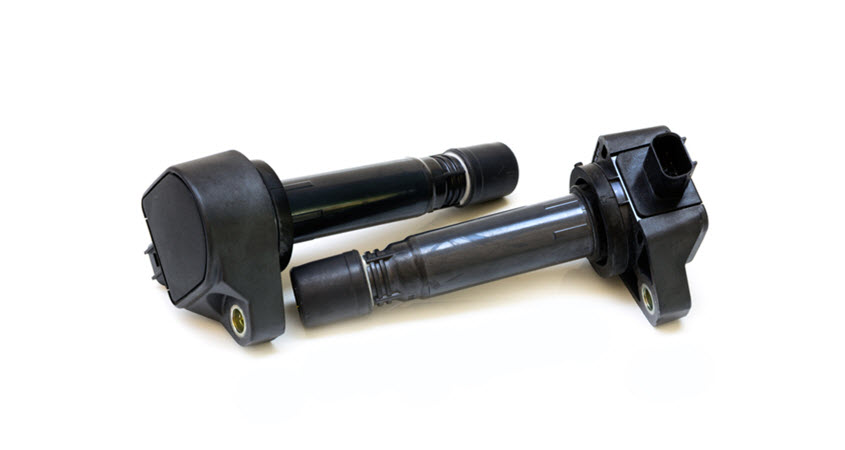
The ignition coils in your BMW are supposed to ignite the fuel-air mixture in the engine cylinders and power the vehicle’s spark plugs by transforming low voltage from the car battery and making it high voltage. It basically acts like a transformer because it turns up the voltage with a process of electromagnetic induction.
A faulty ignition coil is known to severely reduce engine performance, acceleration, and the overall drivability of the vehicle. If you ignore a faulty ignition coil in your BMW, it can create much more expensive and severe issues later on, like catalytic converter failure and engine damage. It is also dangerous to ignore because a faulty ignition coil could result in your BMW having a reduction in power or stalling.
BMW Running Rough? These 8 Signs Point to Ignition Coil Trouble
When the ignition coil in your BMW starts to fail, there are multiple signs you can look for. Symptoms like backfiring, stalling, loss of power, and rough idling are all strong indicators that your vehicle’s ignition coils are failing.
- Engine Misfires: This can manifest as a rough or shaking engine, especially when idling, or a sputtering sound.
- Rough Idling: The engine may run rough or vibrate excessively at idle.
- Difficulty Starting: The car might struggle to start, especially in cold weather, or may not start at all.
- Loss of Power: The car may experience a reduction in power, especially during acceleration, or feel sluggish.
- Stalling: The car may stall, especially when idling or during slow driving.
- Reduced Fuel Efficiency: A misfiring engine will consume more fuel, leading to lower fuel economy.
- Check Engine Light: The check engine light may illuminate, indicating a problem with the engine.
- Other Symptoms: Backfiring, engine sputtering, and excessive exhaust emissions can also be signs of a failing ignition coil.
BMW Ignition Coil Replacement: 7 Common Causes Behind Coil Failure
At our shop we will hustle to get your BMW’s ignition coil replaced and get your vehicle back to you in perfect condition. With all of the necessary tools and equipment, our mechanics can discover whatever may be causing your ignition coils to fail. These are some of the most common reasons for the ignition coils in your BMW to fail.
- Normal Wear and Tear: Ignition coils, like any other component, are subject to wear and tear and can eventually fail.
- Heat and Vibration: The engine environment, with its high heat and vibration, can damage the coil’s housing and internal components.
- Overvoltage: Faulty spark plugs or plug wires can cause overvoltage to reach the coil, leading to damage.
- Faulty Spark Plugs: A faulty spark plug can prevent the coil from firing properly.
- Oil Leaks: Oil leaks can damage the connection between the coil and spark plug, preventing a spark.
- Water Damage: Water damage can short-circuit the ignition system.
- Lack of Maintenance: Accumulation of dirt and debris on the coils can interfere with their function.
From Diagnosis to Test Drive: How We Replace BMW Ignition Coils the Right Way
We strive to be honest about the repairs or replacements needed to get your BMW back into peak performance. Ask any of our experts about how we will get your BMW’s ignition coils fixed, and they will provide you the answer. Below are some steps our professionals take when performing the ignition coil repair on a BMW.
Safety and Preparation
- Ensure the engine is cool.
- Apply the emergency brake.
- Open the hood.
- Disconnect the negative battery terminal (for safety).
- Consult your car’s repair manual for specific instructions for your model.
- Consider wearing gloves to protect your hands.
Accessing the Ignition Coil
- Locate the ignition coil, which is usually on top of the spark plugs.
- Remove any covers or components that obstruct access to the coil, such as the engine cover or air intake box.
Disconnecting the Coil
- Release the clip: There will be a clip on the electrical connector that connects to the coil. Press the clip and pull the connector straight back to disconnect it.
- Unclip the wiring: If the wiring is a clip-on connector, simply pull the connector straight back to separate it.
Removing the Old Coil
- Loosen fasteners: Use the appropriate tools to loosen any bolts or fasteners holding the coil in place.
- Remove the coil: Once the fasteners are loose, carefully pull the coil straight up or twist and pull to remove it.
Installing the New Coil
- Insert the new coil: Align the new coil with the spark plug and gently push it into place.
- Secure the fasteners: Tighten the bolts or fasteners to the recommended torque specifications (check your repair manual).
- Reconnect the wiring: Reattach the electrical connector to the new coil, ensuring the clip is properly engaged.
Final Steps
- Reinstall covers: Reinstall any covers or components you removed earlier.
- Reconnect the battery: Reconnect the negative battery terminal.
- Test the engine: Start the engine and check for any misfires or other issues.
With years of experience in European vehicle 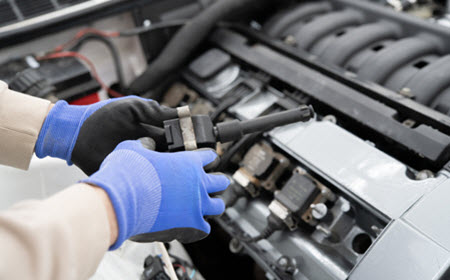 maintenance and repairs with brands such as BMW, our team at Milestone Motors has the knowledge to fix any issues with your vehicle’s ignition coils. We are located in Royal Palm Beach and also serve residents in the neighboring areas:
We want your BMW to perform at its best, so we will put in the hard work to ensure that your car gets back on the road better than ever. We want you to be satisfied with the level of service provided, so feel free to ask any questions about your vehicle because our expert mechanics will be able to answer your questions about your BMW model.